Indie Games
Creating an adventure game as a solo developer or small team means making choices that balance ambition, style, and production time. Over the years we’ve spoken with many players and developers, collecting what they appreciate most in narrative games.
Here are the insights that, in our experience, matter the most.
Why choose 2.5D instead of pure 2D?
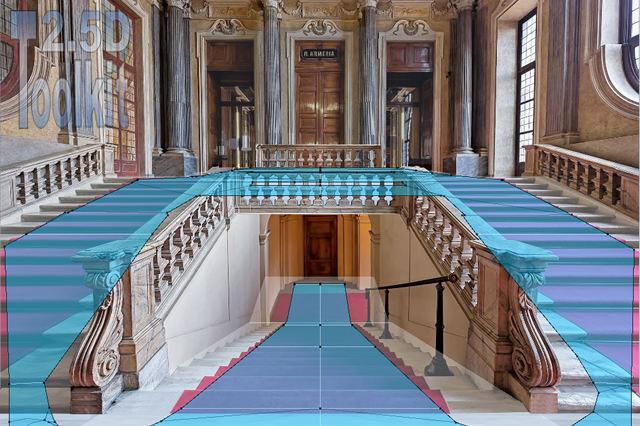
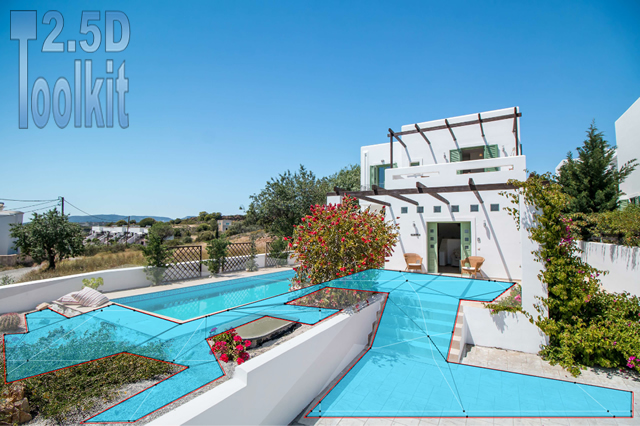
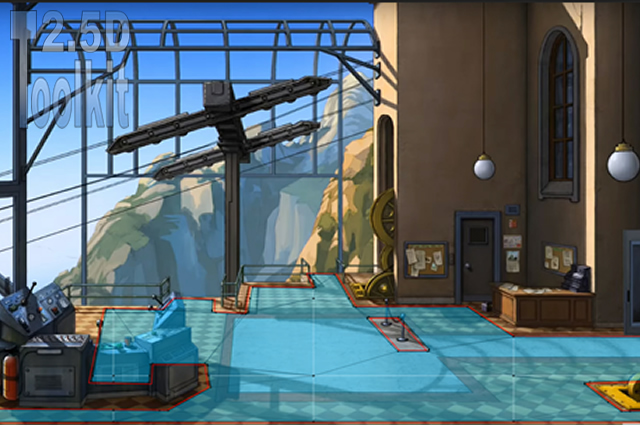
A 2.5D approach keeps the charm of 2D backgrounds while giving characters the freedom to move naturally in any direction.
Animations become easier too: picking up an object, opening a door or interacting with a hotspot doesn’t require a set of directional sprites – a single 3D animation works in every location.
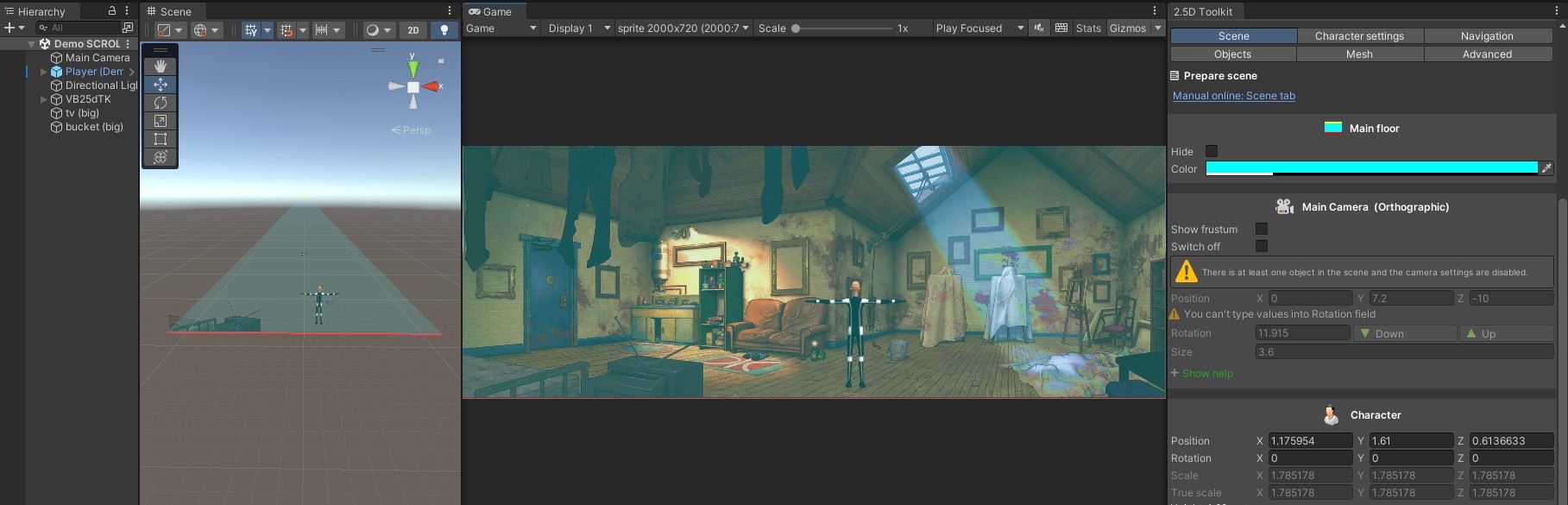
You also avoid the complexities of manual scaling: the engine handles depth and size automatically, keeping the character consistent across the whole scene.
Why not full 3D?
3D environments can be beautiful, but building them is time-consuming and often beyond the scope of a small indie team.
A single detailed location may take weeks, and it still won’t match the atmosphere of a carefully crafted 2D illustration.
With 2.5D instead, you can start working immediately from a single background image.
You can cut foreground sprites directly from the artwork, place them in the scene, and even combine them with 3D objects where needed (props, items, animals, furniture).
This gives you rich, believable environments without sacrificing months of production time.
Writing the story
A good adventure game lives through its narrative.
Choose a theme you genuinely care about, research it, and build a solid foundation. If your plot touches real cultures, locations or historical periods, keep them consistent and recognizable. Players appreciate when fiction is supported by believable details.
Start with a beginning and an ending, then outline chapters and key events.
The script doesn’t need to be rigid – it will evolve while you develop the game – but it should give you a clear direction.
Designing the world
Working with 2D backgrounds lets you prototype instantly.
You can start with photos, sketches or temporary images, and replace them with final artwork later without disrupting your scene logic.
This flexibility is invaluable for indie development: create now, refine later.
Puzzles
Puzzles are the heart of a good adventure game, and also the most delicate part.
They should make sense, guide the player’s intuition, and grow in difficulty gradually.
Avoid blocking the player at the very beginning – let them settle into the story before challenging them.
A good puzzle provides hints: a comment from the character, a line in a book, a symbol on a painting.
Players should always feel they have enough information to progress, even if they need to think.
Reserve the most complex puzzles for later chapters, and don’t overload the game with “nonsense logic.”
A couple of unusual puzzles can be fun; too many will only frustrate.
Dialogues
Dialogues should be concise, informative, and occasionally humorous.
They guide the player through the story, but they can also include optional or misleading lines that add flavor, slow the pace intentionally, or play with the player’s expectations.
Always allow players to skip lines if they want to – not everyone reads at the same speed.
A journal or notebook is extremely useful: it gathers clues, symbols, and key information so players never feel lost while solving puzzles.
If possible, include at least one voiced language and keep all dialogue, interface text, and subtitles in clean, separate files.
This makes localization easier – and in many indie games, passionate players often volunteer to translate the game for free when the structure makes it simple to work with.
Character movement
Most adventure players expect a point-and-click system.
Keep movement simple: one click to walk, double-click to run.
Left click to interact, right click to examine.
If the character travels through the same screens repeatedly, consider shortcuts or teleportation for distant exits – it keeps the pacing pleasant and respects the player’s time.
Inventory
Keep the inventory readable and accessible.
Scrolling through long lists breaks immersion, so prefer small icons and, when necessary, two rows of items.
Provide subtle hints when two objects can be combined, and avoid relying too heavily on mechanics like “right-click to split” unless truly necessary.
Music and cutscenes
Treat music as a finishing touch – choose or compose it when the game is nearly complete, so it fits the tone perfectly.
Cutscenes are important for pacing and atmosphere.
Even if you can’t produce them during development, decide early where they will appear, and consider outsourcing them once the game is otherwise finished.
Final note
These suggestions aren’t strict rules – think of them as guidelines drawn from years of playing, developing, and speaking with adventure game fans.
Every project is unique, but understanding what players appreciate most will help you shape an experience that feels engaging, coherent and memorable.
If you have insights or experiences to share, write to us – we’re always happy to update this guide with new perspectives.